Ethiopia Says Its Nile and Red Sea Interests Cannot Be Changed After Egypt, Eritrea, Somalia and Sudan Issue El Alamein Declaration
The Ethiopian Government said on Monday that its claims on the Blue Nile and the Red Sea “cannot be altered by political rhetoric, coercive measures, or acts of destabilisation.” That came a day after the leaders of Egypt, Eritrea, Somalia and Sudan met in Egypt and issued a joint declaration that touched on both issues.
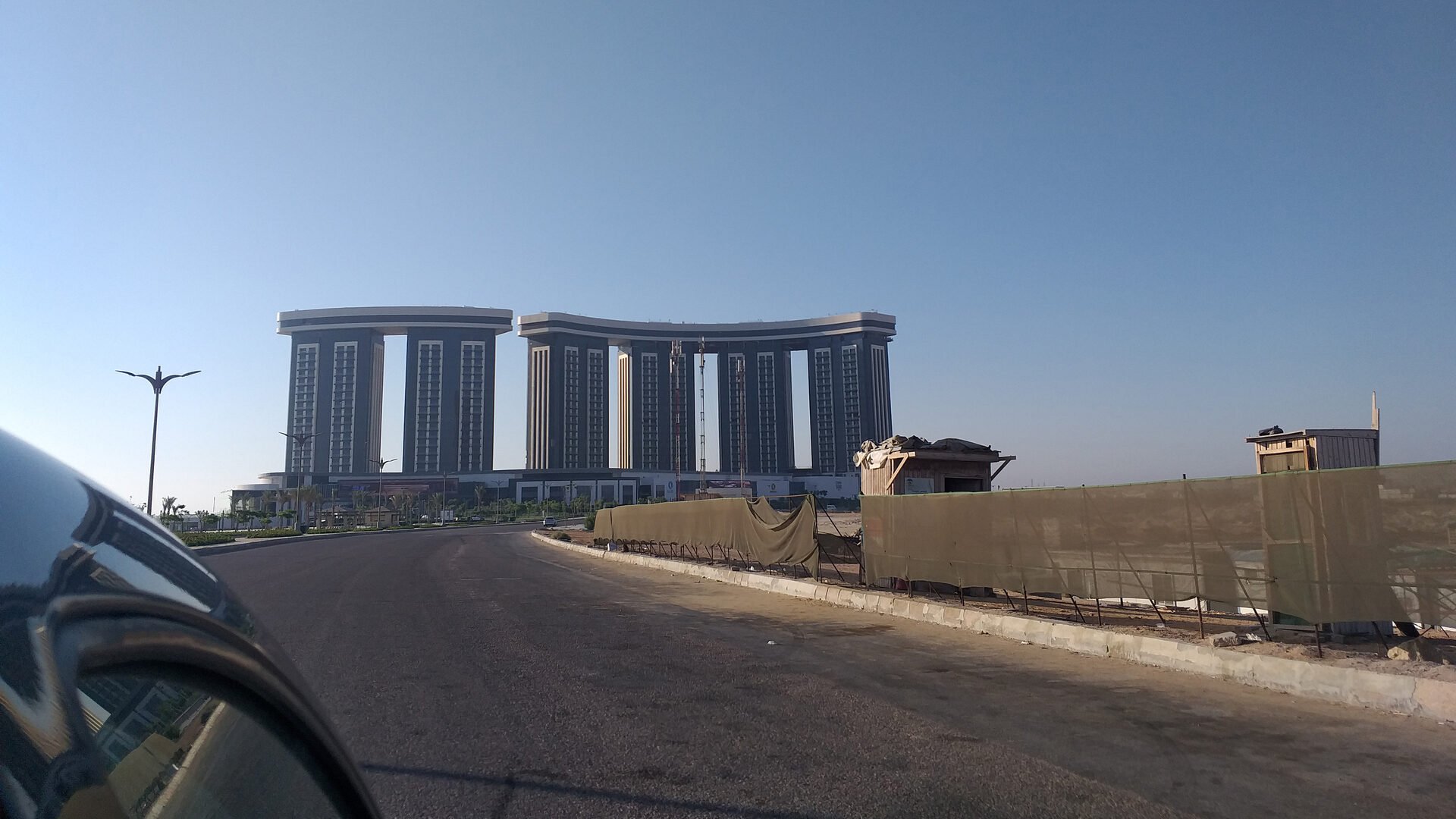
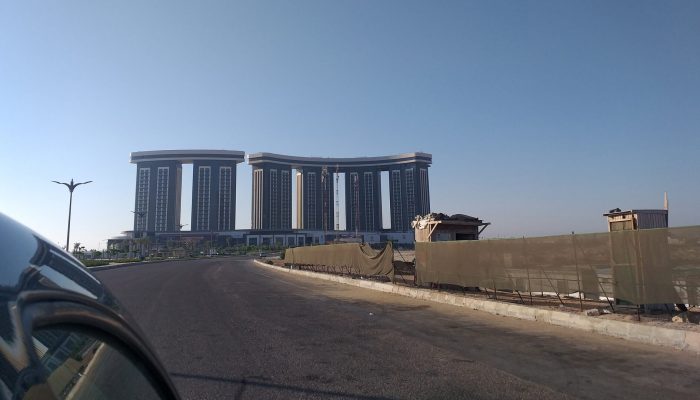
Al Masa Capital Hotel in New Alamein City, Egypt, 1 July 2021, Abdelrhman 1990 / Wikimedia Commons (CC BY-SA 4.0). [file photo]
Egyptian President Abdel Fattah el-Sisi hosted Eritrean President Isaias Afwerki, Somali President Hassan Sheikh Mohamud and Sudan’s army chief Abdel Fattah al-Burhan, who chairs the Transitional Sovereignty Council, in New Alamein City on Sunday. Their El Alamein Joint Declaration, published by the Egyptian presidency, said the governance of the Red Sea is “the exclusive responsibility of the littoral states.” It rejected “any unilateral measures that adversely affect the existing water uses of the two downstream countries of the Nile,” according to an unofficial translation reported by ChimpReports. The four leaders also backed Somalia’s territorial integrity, rejected recognition of Somaliland, supported Sudan’s unity and “national institutions,” and agreed to set up a mechanism to follow up on the summit and meet again from time to time.
Al Jazeera reported that the declaration appeared to push back against several policies the authorities in Addis Ababa have followed in recent years, including landlocked Ethiopia’s search for sovereign access to the sea and a naval presence, and its Grand Ethiopian Renaissance Dam, which Egypt and Sudan have long disputed.
The response came from Ethiopia’s Ministry of Foreign Affairs in a statement carried by the Ethiopian News Agency and Anadolu Agency. ChimpReports noted that it did not name the summit or the four leaders. The ministry said the Abay River, known as the Blue Nile, starts in Ethiopia’s highlands and contributes about 85 percent of the Nile’s total flow, and that “any discussion concerning the utilisation and management of the Abay River should be informed by these fundamental realities.” On the sea, it said, “Despite changes in political boundaries over time, Ethiopia remains closely connected to the Red Sea, with its nearest border lying barely 30 miles from the coast.” It said any serious talk about regional maritime security “must account for Ethiopia’s legitimate interests and its enduring connection to the Red Sea.”
The ministry also warned that “actions taken through proxies or acts of aggression will not change the facts on the ground, nor will they diminish Ethiopia’s legitimate interests, role, and responsibilities in the region.” It did not say which actors it meant. The federal government in Addis Ababa has accused Eritrea, Sudan and Egypt of backing the seven-group armed alliance, which includes the Tigray People’s Liberation Front and Fano forces in Amhara, that has been fighting federal troops since late September. All three countries deny it.
“I have to be very clear, we are not party to the domestic crisis facing Ethiopia now. It has nothing to do with us,” Egyptian Foreign Minister Badr Abdelatty told Reuters on Sunday before the meeting. Eritrea’s Information Minister Yemane Gebremeskel wrote on X on Sunday that Addis Ababa was trying to create a pretext for attacking Eritrea, Al Jazeera reported. Before the talks, el-Sisi said the region’s cross-border problems needed “dialogue, not confrontation,” according to AFP.
Somalia’s Hassan Sheikh Mohamud told Al Jazeera on Saturday that Mogadishu does not object to Ethiopia getting commercial access through Somali ports, as long as it is agreed with Somalia.
In the same statement the Ethiopian Foreign Ministry said the country stands ready to defend its sovereignty, territorial integrity and core interests, and it urged neighbors to follow “the principles of good neighbourliness” and to avoid “confrontation and zero-sum approaches.”
Ethiopia lost its coastline when Eritrea became independent in 1993, and Prime Minister Abiy Ahmed’s campaign for access to the sea has raised fears in Asmara about the port of Assab. Relations between the two countries broke down last week, when the Ethiopian federal government closed its embassy in Asmara and ordered 10 Eritrean diplomats to leave, and Eritrea answered by cutting diplomatic ties. Zegabi reported on that break at https://www.zegabi.com/articles/179445. Egypt and Sudan have asked for years for a binding agreement on how the dam on the Blue Nile is filled and run, and the dam was inaugurated in September 2025.
Sources:
- Egyptian Presidency, El Alamein Joint Declaration
- Egypt State Information Service, summit readout
- Ethiopian News Agency (ENA), Foreign Ministry statement on the Abay River and Red Sea
- Anadolu Agency, “Ethiopia reasserts Red Sea, Nile interests, rejects ‘coercive measures’”
- ChimpReports, “Ethiopia Pushes Back at Four-Nation Declaration on Nile, Red Sea”
- Al Jazeera, “Four African leaders issue joint declaration as Ethiopia war escalates”
- SBS News (Reuters), Abdelatty quote
- AFP, “Ethiopia controls Tigray capital as regional rivals meet in Egypt”