Children Among Dozens Wounded at Mekelle Hospital as UN Says Aid Warehouses in Tigray Were Looted
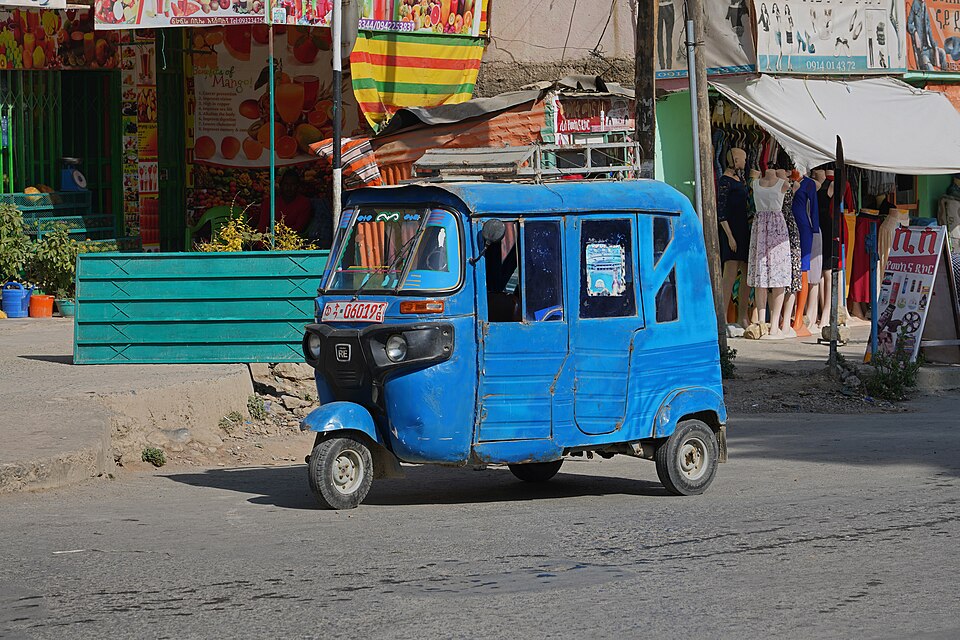
A bajaj rickshaw on Alula Street in Mekelle, Tigray, on Jan. 25, 2018. (Photo: A.Savin / Wikimedia Commons, FAL) [file photo]
Twenty-three of the 34 people brought to Ayder Comprehensive Specialized Hospital in Mekelle in recent days with wounds from “heavy artillery, drones, gunfire and explosives” were children, the hospital’s emergency coordinator, Birhanu Hailemariam, told AFP. One of the 34 has died, he said. The United Nations said aid warehouses in Tigray had been looted and called on all sides in the war between the Ethiopian federal government and Tigrayan forces to let aid workers through.
One of the children is Iyerusalem, a 10-year-old from Qarsole village in Alamata district, south of Mekelle, who lost both legs. “I was in our compound with my older brother and our horse when we were hit. My brother and the horse died,” she told AFP from her hospital bed. “Right now, my amputated legs hurt badly,” she said. “If I get medical treatment and can walk again, I want to go back to school.”
In the same hospital, 12-year-old Hana was being treated after a blast tore her face, broke her leg and killed her mother and brother. “First I heard a loud explosion, and the whole house shook. I was scared and did not even know what had happened,” she said. “The sound of the explosion keeps coming back in my head.” In a nearby room, AFP found 10-year-old Betelhem with a broken leg and her 6-year-old sister Melet with a neck wound. Their pregnant mother was killed by heavy artillery. “The bomb hit our house directly, all these people have died, but no one is being held responsible. There is no government,” said their father, Haftom, a 39-year-old shopkeeper.
Many of the wounded come from remote villages hours from the hospital, and Birhanu said a large number were from southern Tigray. He said staff were short of basic equipment and medicine, including anesthesia, “but we are doing our best to treat everyone.” Another doctor, who asked not to be named, said that whether it is the rebels or the government, “both are hurting people.” Iyerusalem’s father, Hiluf, would not blame either side. “We do not know who carried out the bombardment. It is war,” he said. AFP said he avoided naming the Tigray People’s Liberation Front (TPLF) or the federal forces because he feared reprisals. “I do not want to fight with anyone,” he said. “Let there be peace for us.”
AFP reported last week that shelling on Maychew and Alamata between Sept. 26 and 28 critically injured at least 44 civilians, 33 of them children, according to a medical source.
Addis Standard’s Amharic service (@addisstandardam) shared the AFP story on X at 9:05 AM ET on Wednesday under the headline “«ድምፁ አሁንም ከአእምሮዬ አልወጣም»፦ በ #ትግራይ ያገረሸው ግጭት ታዳጊዎችን ለአካል ጉዳት ዳርጓል”. In translation, the headline carries the line about a sound that will not leave a child’s mind and says the renewed conflict in Tigray has left young people maimed. Earlier, at 5:38 AM ET, an X user posting as Rahayta (@Habtshgrugru) shared Addis Standard’s English post of the story and wrote, “Many children suffered by Ethiopian government drone strikes in northern Ethiopia. This act of aggression must stop.” AFP’s report did not say who fired the weapons that wounded the children at Ayder.
The Africa Program of the Real Life Research Institute (@rlri_africa) wrote at 9:38 AM ET that “hundreds of war-wounded are being treated, and communications blackouts in Tigray hide the full toll,” and added that the Pretoria Agreement, which ended the last war in 2022, “is under severe strain.” It joined calls for “the protection of civilians, unhindered humanitarian access and a return to dialogue.”
At the UN in New York on Monday, Deputy Spokesman Farhan Haq said a UN agency warehouse, along with facilities and warehouses belonging to local and international aid groups, had been looted in Tigray on Sunday. “Humanitarian supplies, including food, seed, fertilizers and water pumps, were lost in the incident,” he said, adding that “humanitarian personnel, premises and assets must never be targeted.” He did not name the agency or the looters. He said plans were under way to resume food and health deliveries into Tigray and the Afar region.
On Tuesday, UN spokesman Stéphane Dujarric said the UN relief chief, Tom Fletcher, had called on all parties to give aid workers safe and rapid access. Fighting was still displacing people across central, northwestern and eastern Tigray, Dujarric said, though verified figures were not available. The UN humanitarian office said on Wednesday that the UN and its partners were ready to restart aid operations in Tigray “as and when they gain access.”
In Mekelle, which federal troops and the allied Tigray Peace Force entered over the weekend after the TPLF withdrew, residents told the Associated Press on Tuesday that markets and bajaj rickshaws were running again, but goods and cash were scarce. “The main issue for the public right now is the lack of cash. If there were cash, business activity would pick up even more,” said resident Birhanu Araya. The federal government has restored telecommunications in the city, which the TPLF had cut on Sept. 25, according to the Critical Threats Project of the American Enterprise Institute.
The Tigrayan opposition party Salsay Weyane Tigray said in a statement on Tuesday, reported by DW Amharic, that the international community should apply the necessary pressure to stop the drone strikes that are killing people in different parts of Tigray. The party warned that people in the region face the threat of famine because of the killing and displacement, and asked that aid reach them quickly and without obstruction.
Sources
- AFP via Yahoo News, “‘The sound keeps coming back’: children maimed in Ethiopia’s Tigray clashes”
- AFP via Gulf Times, “Children bear brunt of Ethiopia’s Tigray clashes”
- Africanews with AFP, “Renewed violence in Ethiopia’s Tigray leaves dozens of children wounded”
- United Nations, Daily Press Briefing, Oct. 5, 2026 (Farhan Haq)
- United Nations, Daily Press Briefing, Oct. 6, 2026 (Stéphane Dujarric)
- OCHA via APO Group, “Ethiopia: UN relief chief calls for safe, rapid access as teams work to deliver life-saving help”
- DW Amharic, “በትግራይ የሚገኝ የተመድ መጋዘን ዘረፋ እንደተፈፀመበት ድርጅቱ አስታወቀ” (Amharic)
- DW Amharic live blog, Salsay Weyane Tigray statement on drone strikes (Amharic)
- Associated Press, “Ethiopian commander reports drone strikes in Tigray as markets reopen in regional capital”
- Critical Threats Project, “Ethiopia War Security Review, October 6, 2026”
- Addis Standard Amharic (@addisstandardam) on X, Oct. 7, 9:05 AM ET (Amharic)
- Addis Standard (@addisstandard) on X, Oct. 7, 4:56 AM ET
- Rahayta (@Habtshgrugru) on X, Oct. 7, 5:38 AM ET
- RLRI Africa Program (@rlri_africa) on X, Oct. 7, 9:38 AM ET, part 1
- RLRI Africa Program (@rlri_africa) on X, Oct. 7, 9:39 AM ET, part 2
- Real Life Research Institute, Africa Program