Adigrat Residents Tell AFP Eritrean Soldiers Have Left After Federal Drone Strikes, but One Says Police Have Collapsed and Prisoners Were Released
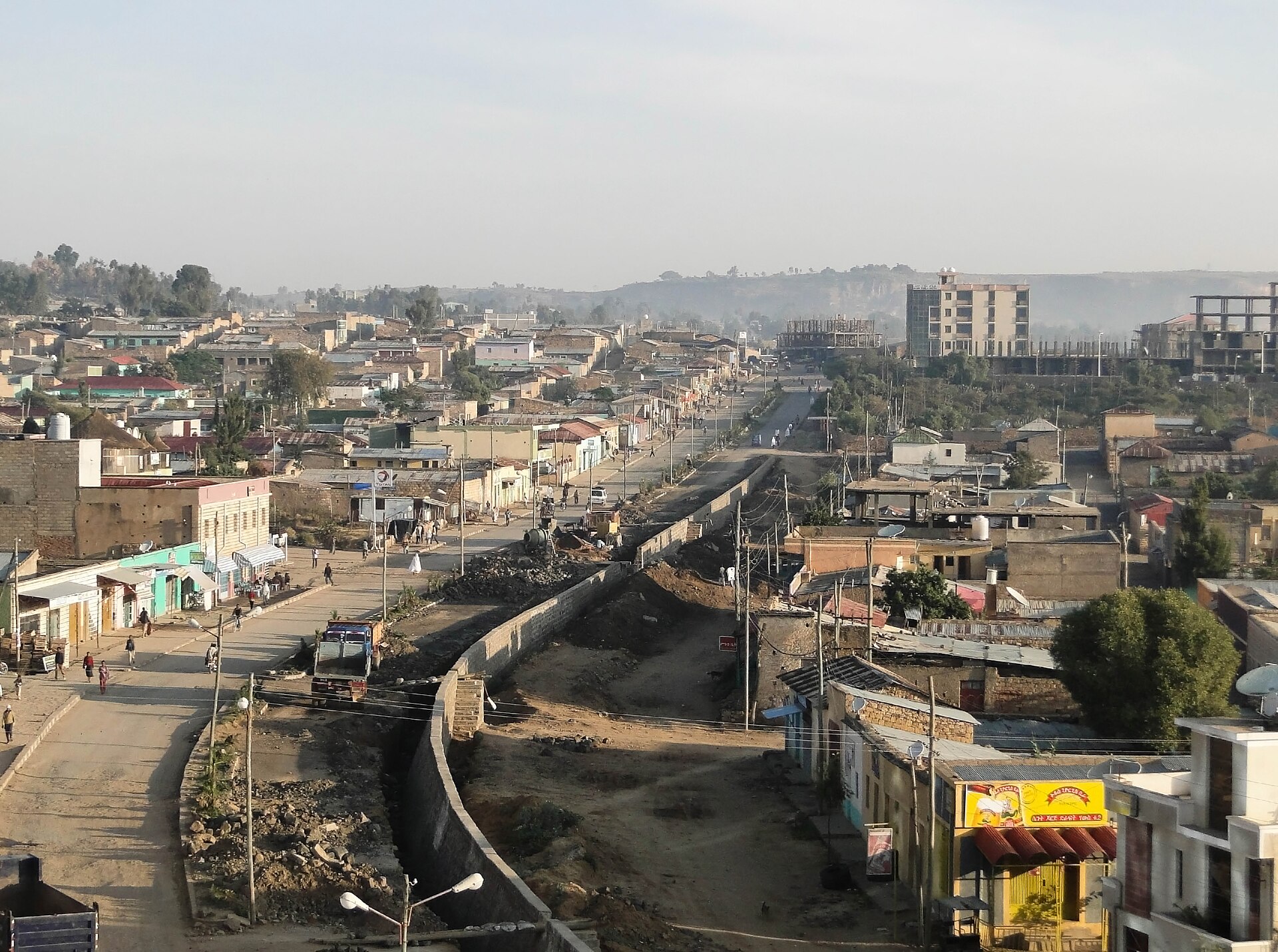
A view of Adigrat, the northern Tigray city about 40 kilometers south of the Eritrean border, in November 2012. [Bernard Gagnon / Wikimedia Commons, CC BY-SA 4.0] [file photo]
Residents of Adigrat, the northern Tigray city about 40 kilometers south of the Eritrean border, told AFP that Eritrean soldiers who came into their area this month have left after federal drone strikes, but one man said the police and security system has collapsed, some prisoners have been released and robberies and stabbings are now common.
AFP, which reported from the city on Sunday, said burnt-out trucks were still lying in the middle of roads in the city center, the result of drone strikes by federal forces against Eritrean troops who had been there a little over a week earlier. Eritrea has deployed thousands of troops in northern Tigray in support of the armed groups that launched an offensive against the government in September, according to a foreign security source cited by AFP. The agency said some of those forces have gone back to Eritrea while others remain near the border on the Ethiopian side. The authorities in Asmara deny that their forces entered Tigray to support the armed opposition, Al Jazeera reported. Zegabi could not independently confirm the number or the movements of Eritrean troops.
Hagos, 48, who gave AFP only one name, lives with his wife and four children in a small village about 15 kilometers north of Adigrat. He said a strike near his home on Oct. 7 hit a truck carrying what he said were mortars and Eritrean soldiers. “We were terrified,” he said. “Explosions continued for more than three and a half hours.” Haymanot, 33, told AFP she heard several explosions in her village near Adigrat on Oct. 10, when drones struck Eritrean forces and TPLF fighters. “When I saw Eritrean soldiers entering our area two weeks ago, I was shocked and angry,” she said. “I did not want them here. They have now left, and I hope they never return.”
Many people in the city still remember the last time Eritrean soldiers were in Tigray, fighting alongside federal troops in the 2020-22 war, which cost about 600,000 lives and in which Eritrean troops were accused of war crimes, including rape. “Seeing the Eritrean army here is like seeing the devil,” Elias Desta, 36, told AFP. He said the soldiers had arrived on foot and in trucks. Their departure has not brought calm, Elias said. “The police and security systems have collapsed. Some prisoners have been released, and there are many robberies and stabbings in the city.” Residents told AFP that federal forces were patrolling the streets and alleys of Adigrat with heavy weapons. Schools have been closed for several days, and shops and restaurants are open but many are running low on supplies.
AFP said the situation remains tense farther north, especially in Zalambessa, the border town on the Ethiopian side, where it said Eritrean soldiers are present. Wazema Radio reported on Oct. 14, citing residents, that government forces and the allied Tigray Peace Force had taken Zalambessa the previous evening and that many people had fled the town for Adigrat. A Zalambessa resident whom AFP called Selam, a name it said was changed for security reasons, told the agency on Thursday, Oct. 15, “Ethiopian troops are on one side, and Eritrean troops are on the other,” and said the town had been without power or water for a week, Al Jazeera reported. The Armed Conflict Location & Event Data Project (ACLED), which monitors conflicts, reported Eritrean troops withdrawing across the border through Zalambessa. Solomon Hailemariam, a spokesperson for the Tigray Peace Force, said Eritrean forces had taken significant casualties, a claim that Eritrean Information Minister Yemane Gebremeskel rejected as false. Al Jazeera said the losses could not be independently verified.
Ethiopian Foreign Minister Gedion Timothewos has told the UN Security Council that Eritrea moved mechanized units 30 to 60 kilometers into three zones of Tigray, BBC Tigrinya reported. In a briefing for foreign diplomats in Asmara last week, Eritrean Foreign Minister Osman Saleh accused Ethiopia of waging an “unjustified invasion,” according to BBC Tigrinya. On Saturday, U.S. Secretary of State Marco Rubio said troops were “surging on both sides of the border,” according to a State Department transcript.
Elias told AFP he hoped the six-month caretaker administration that Abiy Ahmed’s government set up for Tigray on Friday would restore order and allow aid into the region. “People are facing severe hunger and need assistance,” he said. The Office of the Prime Minister said on Sunday that Prime Minister Abiy Ahmed had given the Ethiopian Broadcasting Corporation an interview in Tigrigna on the current situation in the country, to air on Monday at 8:30 p.m. local time (1:30 p.m. ET).
On X, people argued over whether the Eritrean soldiers had been there at all. An account named My Press (@Ethpress_247), whose bio lists mechanical engineering at Hawassa University, replied to an Al Jazeera report that Eritrean soldiers “have been 60km inside Ethiopian terrirory [sic]. They are pushed away. Just ask everybody in adigrat. Its free now.” Weldu Ghebreselasei Ghebreyesus (@ghebresela50605), whose bio reads “Ministry of Information, Eritrea,” wrote that “There were no Eritrean troops in Zalambessa” and that federal troops had simply walked into the town. The account @neo_tigray, whose bio says its owner is co-founder and president of the Tigray American Impact Fund, wrote in Tigrigna that Shabia, a common name for Eritrea’s ruling party, “ምሰ ኢትዯዽያ ንዝገብሮ/ዝኸፍቶኹናት ብተሓሸከርቱ አቢሉ ን መንእሰይ ትግራይ ክክንዲ ወታሀደራት ሻዕቢያ ክሰዉኡሉ ጦርነት ናብ ዶባት ትግራይ ከፀግዖ ብተደጋጋሚ ይፍትን አሎ” (“is repeatedly trying, through its hirelings, to push the war it is waging or starting with Ethiopia onto Tigray’s borders, so that Tigrayan youth die in place of Shabia’s soldiers”). Zegabi has not verified the claims made in these posts.
Sources
- AFP via The Standard (Hong Kong), “In Tigray, Ethiopians welcome the departure of Eritrean troops,” Oct. 18, 2026
- AFP via La Croix, “Éthiopie : dans une ville du Tigré, les stigmates après le départ des soldats érythréens,” Oct. 18, 2026
- Al Jazeera (AFP and Anadolu), “Ethiopian forces expand control in Tigray as militia claims Eritrean losses,” Oct. 15, 2026
- Wazema Radio (@Wazemaradio) on X, Oct. 14, 2026
- BBC Tigrinya, “ሩስያ፡ ንኢትዮጵያን ኤርትራን ክትሽምግል ድሌት ከምዘለዋ ኣፍሊጣ,” Oct. 18, 2026
- BBC Tigrinya, “ኣስመራ፡ ሚኒስተር ጉዳያት ወጻኢ ኤርትራ ንዲፕሎማሰኛታት ወጻኢ መብርሂ ይህብ,” Oct. 16, 2026
- U.S. Department of State, “Secretary of State Marco Rubio Remarks to the Press,” Oct. 17, 2026
- Office of the Prime Minister of Ethiopia (@PMEthiopia) on X, Oct. 18, 2026
- My Press (@Ethpress_247) on X, Oct. 17, 2026
- Weldu Ghebreselasei Ghebreyesus (@ghebresela50605) on X, Oct. 16, 2026
- @neo_tigray on X, Oct. 17, 2026