Eritrea’s Information Minister Calls Abiy Ahmed’s Parliament Speech “Stale and Treacherous” and Rejects Abuse Charges Against Eritrean Troops
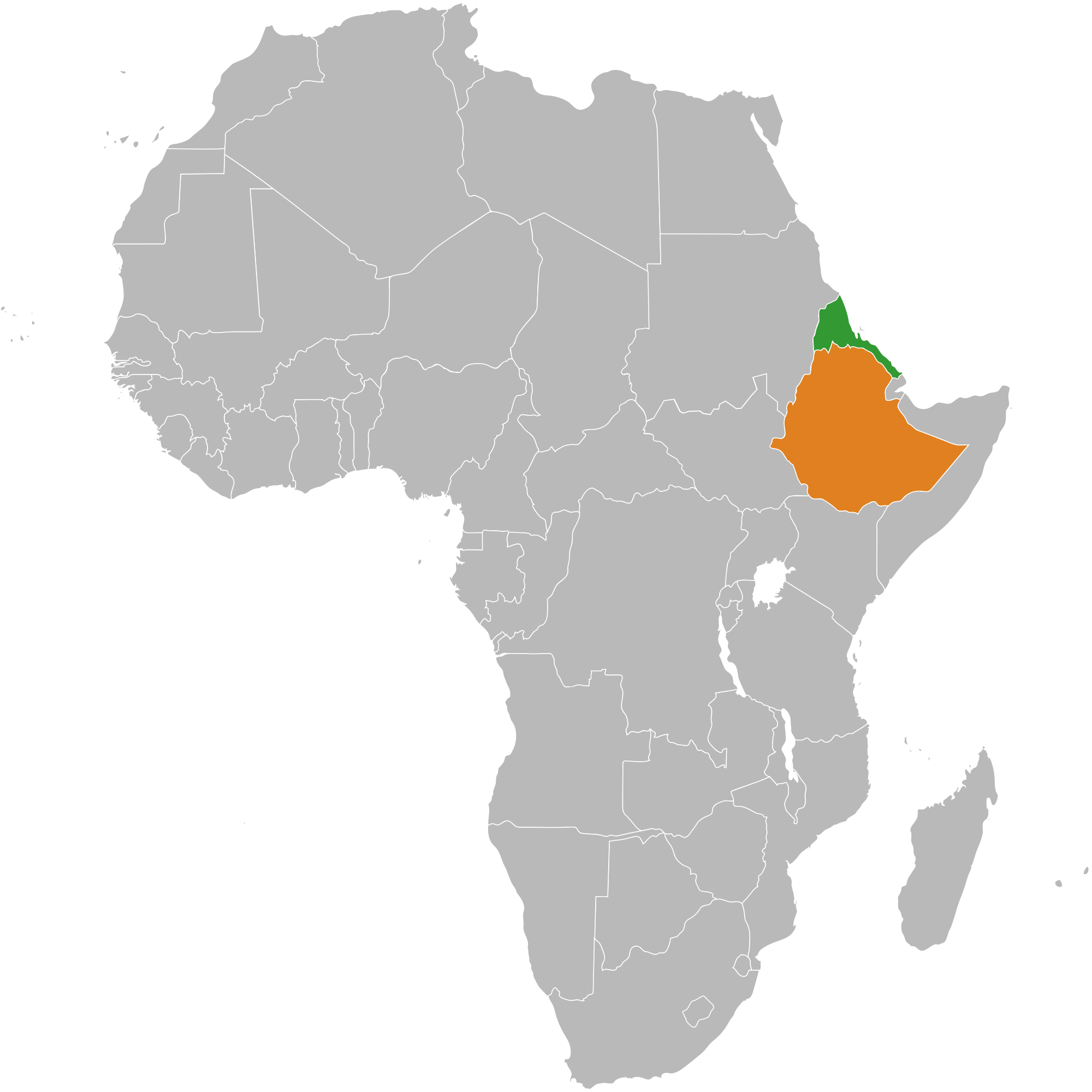
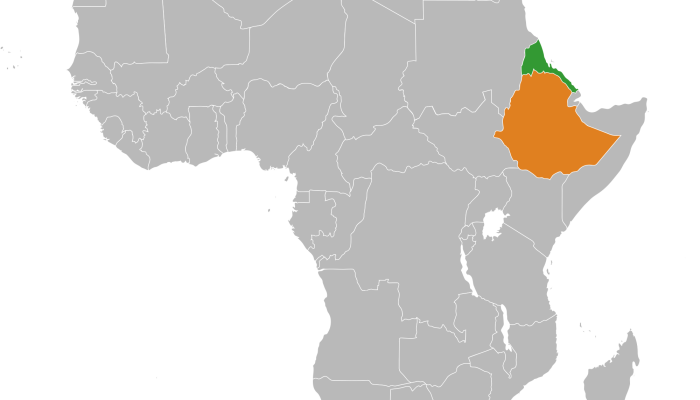
Ethiopia, in orange, and Eritrea, in green. Map: MarginalCost/Wikimedia Commons, CC BY-SA 4.0.
Eritrea’s information minister, Yemane Gebremeskel, on Friday called Prime Minister Abiy Ahmed’s Thursday speech to Ethiopia’s parliament “stale and treacherous” and said its “abject lies” were “too repugnant to warrant serious response.”
He answered several of the prime minister’s claims anyway, in a long post on X headed “On the lighter side.” He used the name “Potemkin Party” for Ethiopia’s ruling Prosperity Party throughout.
In that speech, Abiy Ahmed warned that destruction would fall upon Eritrea unless it stopped what he called arming Ethiopia’s enemies, Zegabi reported. He also said Ethiopia would not invade its neighbor to reach the sea.
The prime minister told lawmakers that relations soured after Eritrean forces entered Tigray during the 2020 to 2022 war, bne IntelliNews reported. He accused them of killing young people, destroying infrastructure and looting property in the region.
Yemane rejected that account. He wrote that Abiy Ahmed and his generals “showered praises” on the Eritrean Defense Forces throughout the war, and honored senior Eritrean generals at ceremonies in Addis Ababa, Adama and Bishoftu in early April 2023.
Yemane attached a video that he said showed this.
In his Thursday speech, Abiy Ahmed had himself praised Eritrea’s early conduct in the war, Borkena reported.
The prime minister said Ethiopian troops who crossed into Eritrea after the attack on the army’s Northern Command were fed and allowed to keep their weapons. They were kept safe until Ethiopian forces could regroup, he said.
Yemane wrote that the Eritrean army’s “impeccable track record of strict adherence to all humanitarian laws of War” was too well known to need explaining. He added that the Eritrean People’s Liberation Front freed more than 100,000 Ethiopian prisoners of war when it took control of Eritrea in May 1991.
Rights groups documented killings by Eritrean troops during the war. In February 2021, Amnesty International said Eritrean troops “systematically killed hundreds of unarmed civilians” in Axum on Nov. 28 and 29, 2020.
Amnesty said the killings may amount to a crime against humanity. It also said the Eritrean army looted shops, public buildings including a hospital, and private homes in the city. Human Rights Watch reported in March 2021 that Eritrean forces massacred scores of civilians in Axum in November 2020.
The two governments also traded blame over the Pretoria Agreement, the November 2022 deal that ended the war in Tigray. Abiy Ahmed told parliament that the strain with Asmara grew after the deal was signed, BBC Amharic reported.
Yemane called the agreement “an internal peace pact” between Ethiopia’s government and its domestic opponents. He said it “does not concern Eritrea in any way,” and that its failure could not be blamed on Asmara.
He said the real aim of the speech was to recast what he called a three-year “war of aggression” for “sovereign access to the sea” as self-defense. He said that ploy was “too transparent to deceive anyone.”
He also turned Abiy Ahmed’s main charge back on Addis Ababa. He accused Ethiopia’s ruling party of “sponsoring and arming” Eritrean opposition movements for more than three years, naming RASDO, the Green Islamic Movement and Blue Revolution.
He called those groups “terrorist outfits.” The authorities in Addis Ababa accuse Asmara of backing forces led by the Tigray People’s Liberation Front (TPLF) that are fighting federal troops, which Eritrea denies, bne IntelliNews noted.
Yemane ended by urging the ruling party to give up what he called “irredentist wars” and seek reconciliation at home. He also listed Tigray, Amhara, Oromia, Somali and Afar as regions where fighting goes on.
Earlier this week, he spoke to UN resident representatives and regional directors at a retreat at Asmara Palace. “That Ethiopia is set to launch a massive war of aggression against Eritrea is not a matter for debate or speculation,” he told them.
His remarks were published by Eritrea’s Information Ministry. He said the only answer was “meaningful pressure on Ethiopia.”
Neither the prime minister’s office nor Ethiopia’s foreign ministry had answered his post on their X accounts as of Friday evening, East Africa time.
On the ground, federal troops and Tigray forces fought this week around Gemhalo, a border village near Badme, residents told BBC Amharic. The broadcaster said there was no clear evidence so far that Eritrean soldiers had fought the Ethiopian army. Residents who spoke to DW Amharic said Eritrea was taking part, and ACLED said the army fought Eritrean and Tigray forces at nearby Gual Gemhalo on Wednesday night. Neither account could be independently confirmed.
Sources
- Yemane Gebremeskel on X, Nov. 27, 2026
- Eritrea’s Ministry of Information (Shabait), Nov. 26, 2026: remarks at the UN Country Team retreat
- bne IntelliNews, Nov. 26, 2026
- Borkena, Nov. 26, 2026
- BBC Amharic, Nov. 26, 2026: Abiy Ahmed on Eritrea in parliament (Amharic)
- BBC Amharic, Nov. 27, 2026: fighting near Badme (Amharic)
- Human Rights Watch, March 5, 2021: Eritrean forces massacre Tigray civilians
- Amnesty International, Feb. 26, 2021: the Axum massacre
- DW Amharic, Nov. 26, 2026: fighting intensifies in northwestern Tigray (Amharic)
- ACLED, Conflict in Ethiopia (alerts, Nov. 23 to 26, 2026)
- Zegabi’s earlier reporting: 182300, 182302, 182018, 180881