Islamic Relief Says Nearly 700,000 Are Displaced in Southern Ethiopia, as Accounts on X Report Gunfire Again in Moyale
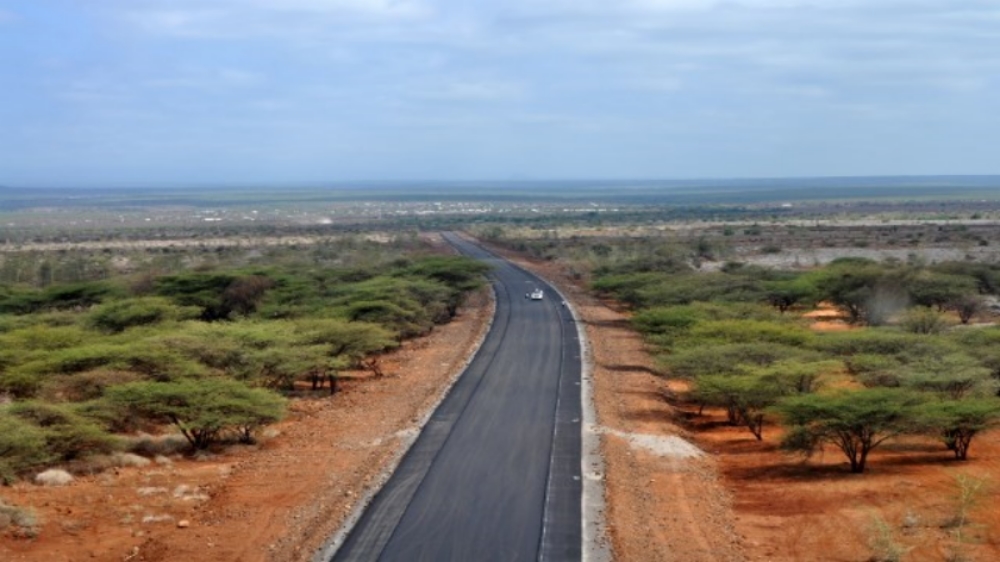
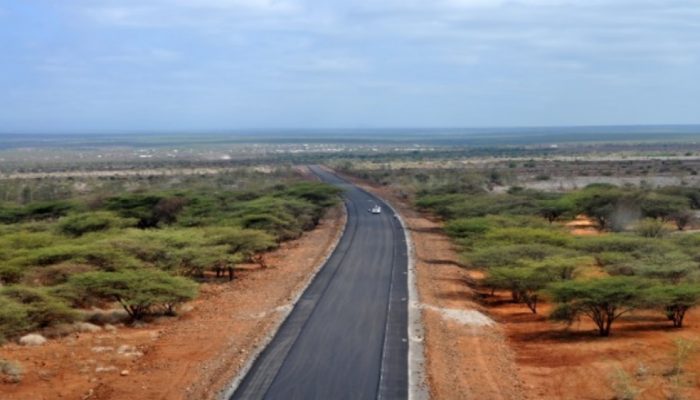
The road leading to Moyale, the town split between Ethiopia and Kenya, in 2015. File photo. Photo: George Kaguangi/Wikimedia Commons, CC BY-SA 2.0
Nearly 700,000 people have been displaced by a month of fighting between Somali and Oromo communities in southern Ethiopia, the British aid group Islamic Relief said on Thursday.
In a statement, the group said about 329,000 people had been displaced from the Dawa zone of the Somali region and 359,798 across southern Oromia. About 50,000 more have crossed into Kenya, it said. It dated the fighting to Oct. 22, with Moyale at its center, and said it has since spread as far as 300 kilometers from the town. Homes, businesses and fuel stations have been burned, it said, and health, nutrition, water and sanitation services badly disrupted.
“This is a volatile conflict driven by two ethnic groups competing for land and wealth in the borders of Ethiopia,” said Kedir Musema Hameza, head of programs at Islamic Relief Ethiopia. “Homes have been burnt and peoples lives have been hit. We need funding to respond and help these suffering communities.” He said the group had reports from local sources “that fighting has stopped and UN teams are travelling to assess the condition of the displaced population and the damage.”
The figure is many times larger than the numbers that have dominated coverage so far, most of which counted only the people who crossed into Kenya. Plan International put that number at about 60,000 on Wednesday, while Marsabit’s governor gave a preliminary figure of about 40,000, the Kenya News Agency reported. Kenya’s NTV said on Friday that a resurgence of violence was causing a new influx into Moyale. Islamic Relief did not say how its count inside Ethiopia was made.
Whether the guns have fallen silent is still unclear. Residents and the local Red Cross told the BBC that shooting in Moyale stopped on Tuesday afternoon after federal security forces moved in, as Zegabi reported on Thursday. On Thursday, accounts on X were reporting gunfire again. Somali Breaking News, a news account, said the ceasefire “reportedly collapsed this afternoon after renewed gunfire and attacks allegedly carried out by Oromo forces around 3:00 PM.”
The same account said a planned meeting between the Somali and Oromo sides did not take place. Iyyesa, an account that describes itself as a voice of northern Kenya, wrote: “Intermittent fighting happening in the town of Moyale. It seems ceasefire has failed!” Zegabi found no account from the Oromo side of Thursday’s shooting. It could not confirm who fired, whether anyone was hurt or whether the truce has broken down.
False images are also spreading. The fact-checking group PesaCheck said on Friday that a Facebook post described the fighting in Moyale accurately, as BBC Afaan Oromoo and BBC Somali had reported it. But its photo of a burning house came from another incident, PesaCheck said. On Thursday, Marsabit County Commissioner Stanley Kamande said seven people were being investigated for spreading inflammatory messages on social media.
The authorities in Addis Ababa have said little in public. AFP, in a report carried by Arab News, said the government of Prime Minister Abiy Ahmed had not commented on the violence. It said clashes with heavy weapons were reported in Moyale as recently as Monday. Getachew Reda, an adviser to Abiy Ahmed, said in a television interview this week that Oromia and Somali regional forces were not fighting each other, Mereja Media reported.
The roots of the fight are old. The boundaries between Ethiopia’s regions, set by the 1995 constitution, have often led to conflict, AFP noted. The conflict monitor ACLED, as Al Jazeera reported, traces this round to Oct. 18, when Somali regional police clashed with Oromo militia after a Somali regional office opened in a disputed part of Moyale.
For families in Borana and Dawa, the damage goes beyond the town. Al Jazeera reported that the fighting had spread to the Arero and Wachile districts and cut into the livestock trade that rural households depend on. The International Organization for Migration found that 71 percent of displaced households it surveyed in Kenya did not have enough to eat, Plan International said.
Aid groups say they are getting ready to do more. Plan International said its Ethiopia office was ready to scale up, though it said conflict and damaged roads were limiting access. The International Committee of the Red Cross, which works in Borena and Guji with the Ethiopian Red Cross, said it stands ready to help in Moyale, as Mereja Media reported. “One month on, the situation is not improving,” said George Otim, Plan International’s Kenya country director. “Displacement and humanitarian needs continue to grow.”
Sources
- Islamic Relief via ReliefWeb, Nov. 19, 2026: around 700,000 displaced amid volatile conflict in southern Ethiopia
- AFP via Arab News, Nov. 19, 2026: 700,000 displaced by fighting in southern Ethiopia
- Plan International, Nov. 18, 2026: families fleeing Ethiopia in urgent need of support
- NTV Kenya, Nov. 20, 2026: families flee Ethiopia border clashes, seek refuge in Moyale
- Somali Breaking News on X, Nov. 19, 2026
- Iyyesa on X, Nov. 19, 2026
- PesaCheck on X, Nov. 20, 2026
- Al Jazeera, Nov. 17, 2026: Moyale clashes disrupt livelihoods as territorial dispute deepens
- Mereja Media, Nov. 20, 2026: Moyale ceasefire, fighting reported again as Islamic Relief says nearly 700,000 displaced
- Mereja Media on X, Nov. 20, 2026
- Mereja Media: ICRC says it is ready to help in Moyale
- Mereja Media, Nov. 18, 2026: Getachew Reda denies regional forces are fighting
- Zegabi’s earlier reporting: 181678, 180883, 180427