A Ziquala Official Tells DW That 74,162 People Need Emergency Food, and That None Has Arrived
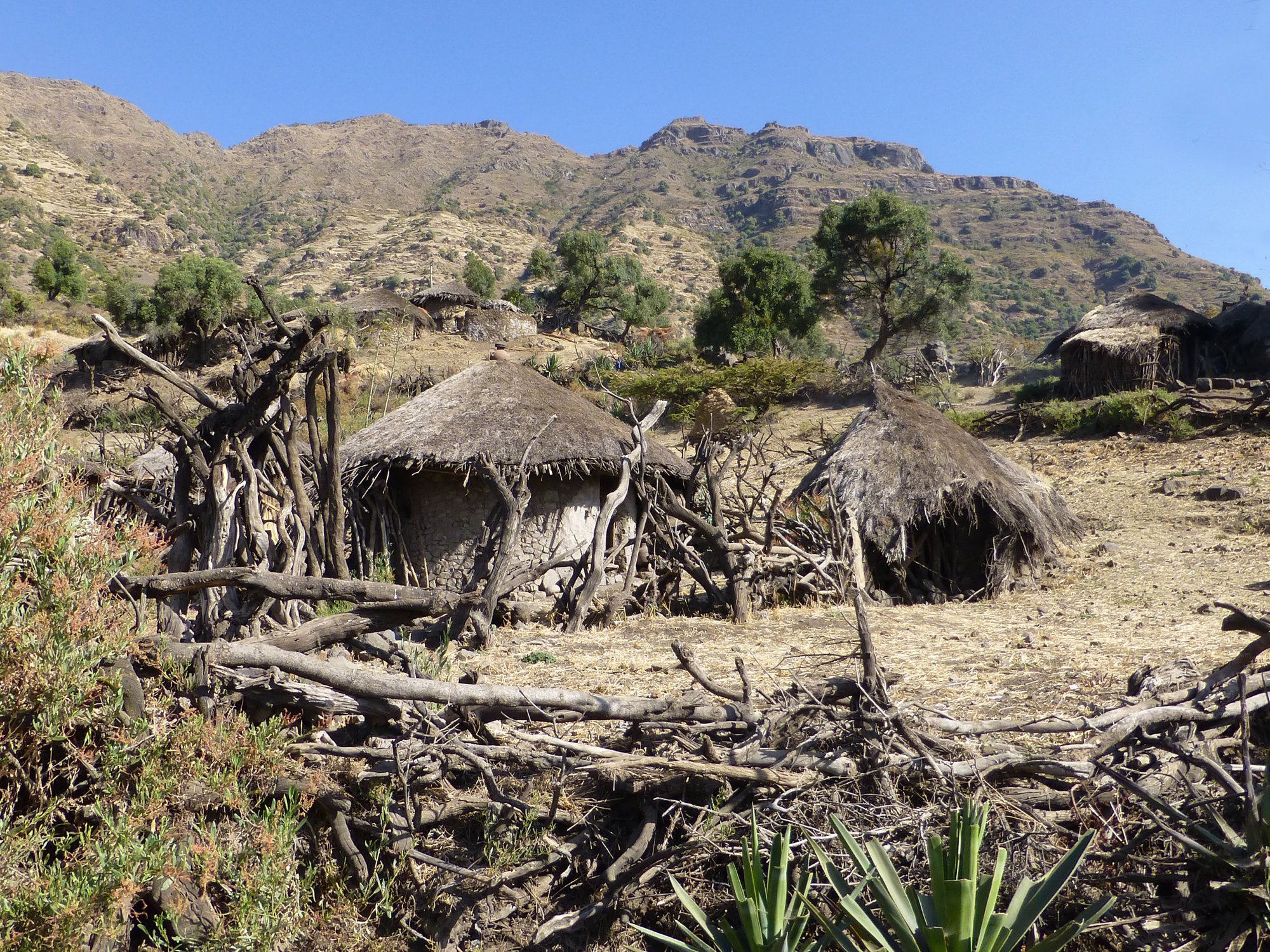
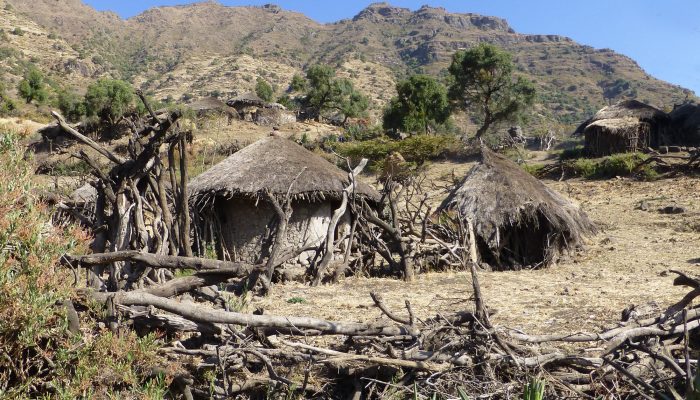
A village near Sekota, the main town of Wag Hemra, in January 2014. File photo. Photo: Ji-Elle/Wikimedia Commons, CC BY-SA 3.0
A local assessment has found that 74,162 people in Ziquala district, in the Wag Hemra zone of Ethiopia’s Amhara region, need emergency food after the rains failed, a district official told DW Amharic.
Worku Salih, who leads the early warning team at the district agriculture office, told the broadcaster on Thursday that the seed farmers had sown was lost completely because no rain came. The count covers 15 kebeles, he said, and the district’s food security task force approved it and sent it to the zone, which passed it on to the regional government. “So far no support has come,” he said. “People are hungry. We are waiting for the government to help.” He said people, and not only animals, had started to die.
Berhe Iyasu, a leader in one of the district’s kebeles, told DW that the only drought he could compare it to came in 1977 in the Ethiopian calendar, the famine years of 1984 and 1985. “People are suffering from hunger and dying,” he said. He put the number of dead at more than 30, deaths he said he suspects were caused by hunger or by the malaria and other illness that follow it. Zegabi could not independently confirm the deaths or their causes.
Wude Gebreab said cattle were dying where they grazed and that families were leaving their farms for the towns. Children were dying too, she said, “about three or four” of them by her account. Zenebe Mekuanint, who lives in Eshewa, said he had left his own village for the district town because there was nothing to eat. “In all my years I have never seen or heard of people fleeing in Hidar, or pack animals dying in Hidar,” he said. Hidar is the month when farmers in a normal year are bringing in the harvest.
Fentanesh Gedefaw, an agricultural expert at the district office, told DW the strain had driven some people to take their own lives. She described a mother of a large family who had harvested nothing and been refused a loan. New mothers and married couples were among the worst hit this week, she said.
The district’s account does not match what regional officials said three weeks ago. In a DW report published on Oct. 31, Serkaddis Atale, deputy commissioner of the Amhara region’s Disaster Risk Management Commission, said more than 11,000 quintals of food had been sent to five drought-hit districts of Wag Hemra, Ziquala among them. Serkaddis said the food was meant for more than 66,000 people and that most of it had arrived. Worku’s assessment for Ziquala alone counts 74,162 people. This week the head of the zone’s disaster risk management office, whom DW named only as Fithalesh, told the broadcaster she was new to the post and did not have enough information about the drought.
Ziquala is the latest Wag Hemra district to raise the alarm. In Sahala Seyemt, a district official told DW at the start of the month that more than 66,000 people were exposed to the drought and that about five had died. The government had sent food for only 30,000 people for one month, he said, as Zegabi reported. The Wag Hemra diocese of the Ethiopian Orthodox Tewahedo Church also appealed for help, Borkena reported on Nov. 12, citing DW. Its administrator, Lique Hiruyan Hayle Alemu, said displaced families were sleeping outside near the Medhanealem church in Sekota before moving on toward Raya.
In Abergele, another district of the zone, local sources told Addis Standard in October that about 90 percent of the grain sown there did not reach harvest. A resident of Sahala Seyemt told the outlet that the old saying that “war is better than famine” had come true for them. The famine early warning network FEWS NET, in its outlook for October 2026 to May 2027, expects drought and conflict to drive Emergency (IPC Phase 4) hunger in parts of northern Ethiopia in early 2027.
Wag Hemra sits in the north of the Amhara region, beside Tigray and Afar, and it was badly hit in the war in northern Ethiopia from 2020 to 2022. Since 2023 the region has seen fighting between federal troops and Fano forces that has closed roads and slowed aid. In late September Tigrayan forces were reported to have entered Sekota, the zone’s main town, as fighting spread again across the north, Zegabi reported at the time.
Zegabi found no public statement from the Amhara regional government or from the federal government in Addis Ababa on the Ziquala assessment by Friday morning. Mereja Media, which reported the DW findings on Friday, said it had found none either.
Sources
- DW Amharic, Nov. 19, 2026: drought in Wag Hemra’s Ziquala district causing severe harm (Amharic)
- Mereja Media, Nov. 20, 2026: Ziquala officials say 74,162 people need emergency food aid
- Mereja Media on X, Nov. 20, 2026
- Zegabi, Nov. 1, 2026: people are dying of hunger in drought-hit Wag Hemra
- Borkena, Nov. 12, 2026: drought and conflict leave Wag Hemra communities facing acute hunger
- Addis Standard, Oct. 23, 2026: Wag Hemra residents face severe hunger amid drought and conflict
- FEWS NET via ReliefWeb: Ethiopia Food Security Outlook, October 2026 to May 2027
- Zegabi, Sept. 28, 2026: Tigrayan forces reportedly enter Sekota