Tigrayan Forces Reportedly Enter Sekota as Fighting Expands Across Amhara
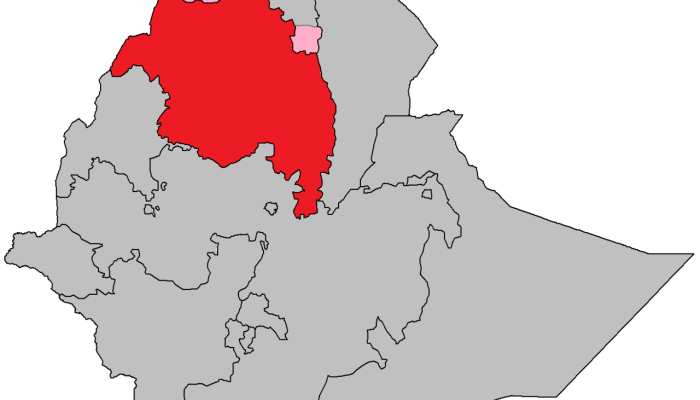
TPLF-aligned Tigray fighters and allied forces reportedly entered Sekota, the administrative center of Wag Hemra Zone in Ethiopia’s Amhara region, on Friday evening, September 25, 2026, as fighting continued to widen across northern Amhara under pressure from Abiy Ahmed’s Regime and the Ethiopian federal government, according to Kulu Media.
Residents cited in that reporting said Ethiopian National Defense Force units were withdrawing as the fighters entered the town. Kulu Media said it could not independently verify who currently controls Sekota, and the situation around the Wag Hemra zonal capital remains fluid. Sekota is an important administrative and transport center, and fighting around the town can disrupt movement between northern Amhara and areas that border southern Tigray, adding new strain for civilians who already face closed roads and broken services.
The Ethiopian Human Rights Commission said in a September 25 statement that TPLF-deployed fighters crossed into neighboring areas of Amhara and Afar beginning early September 22, and it warned that the expanding conflict is affecting civilians’ right to life, physical security, freedom of movement, and access to basic services. Conflict monitor ACLED, also cited by Kulu Media, reported fighting across Wag Hemra and North Wollo involving the ENDF, Tigray Peace Forces, Amhara security forces and militia on one side and TPLF-aligned Tigray fighters and the Amhara Fano National Movement on the other.
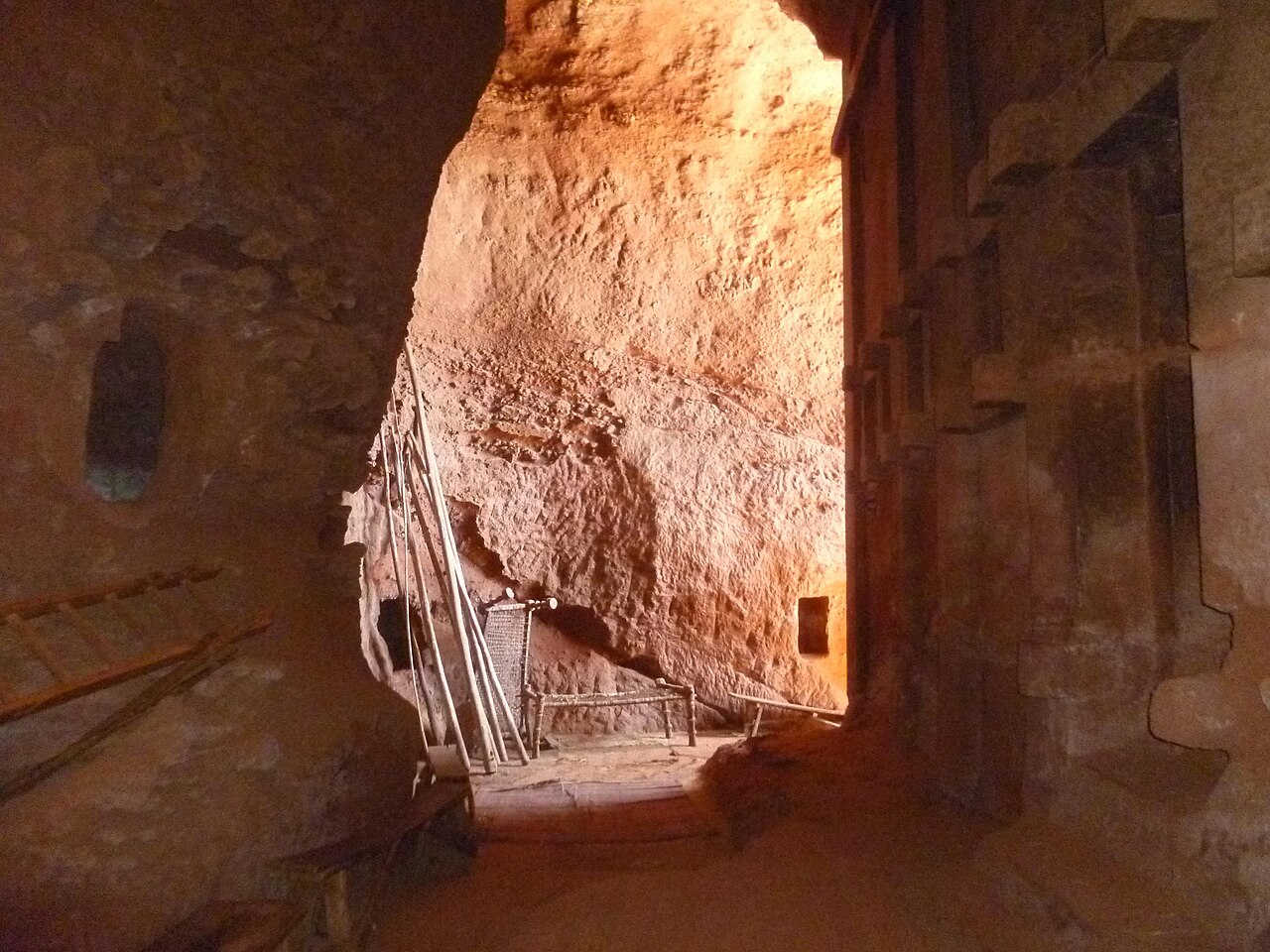
Clashes have also been reported around Gidan, Lasta, and Raya Kobo in North Wollo, while fighting near Lalibela has disrupted air travel. On September 25 the ENDF claimed 436 opposing fighters were killed, 220 wounded, and 44 captured in another round of fighting. Those battlefield figures have not been independently verified. Broader reporting by outlets such as Al Jazeera and Reuters has described multi-front fighting in Tigray, Amhara, and Afar since last Wednesday, after a period in which the Pretoria peace deal had held the earlier northern war in check.