Civilians Hit by Shelling on Amhara Border as Ethiopian Gov’t Forces Press Toward Mekelle
Civilians living along the Amhara-Tigray borderlands say they are being hit by shelling and heavy fighting as Ethiopian Govt forces push north toward Mekelle, according to a September 29, 2026 report by Deutsche Welle that gathered eyewitness accounts while internet and phone services in much of the north remained disrupted.
A 22-year-old woman from the small town of Selenwuha told Deutsche Welle that shelling struck homes where her relatives were sheltering, that she lost six family members, and that survivors, including the wounded, were confined at home without vehicles or nearby medical care. Local residents also told the broadcaster that civilians had been killed by artillery fire in the border region between Tigray and Amhara. A 40-year-old Alamata resident accused federal forces of retaliation attacks, and a 45-year-old resident said 11 people were killed and 15 wounded at a Saturday market in Alamata when large numbers of people had gathered. Deutsche Welle said those market casualty claims could not be independently verified, and an Ethiopian National Defense Force spokesperson had not responded by the time the story was published.
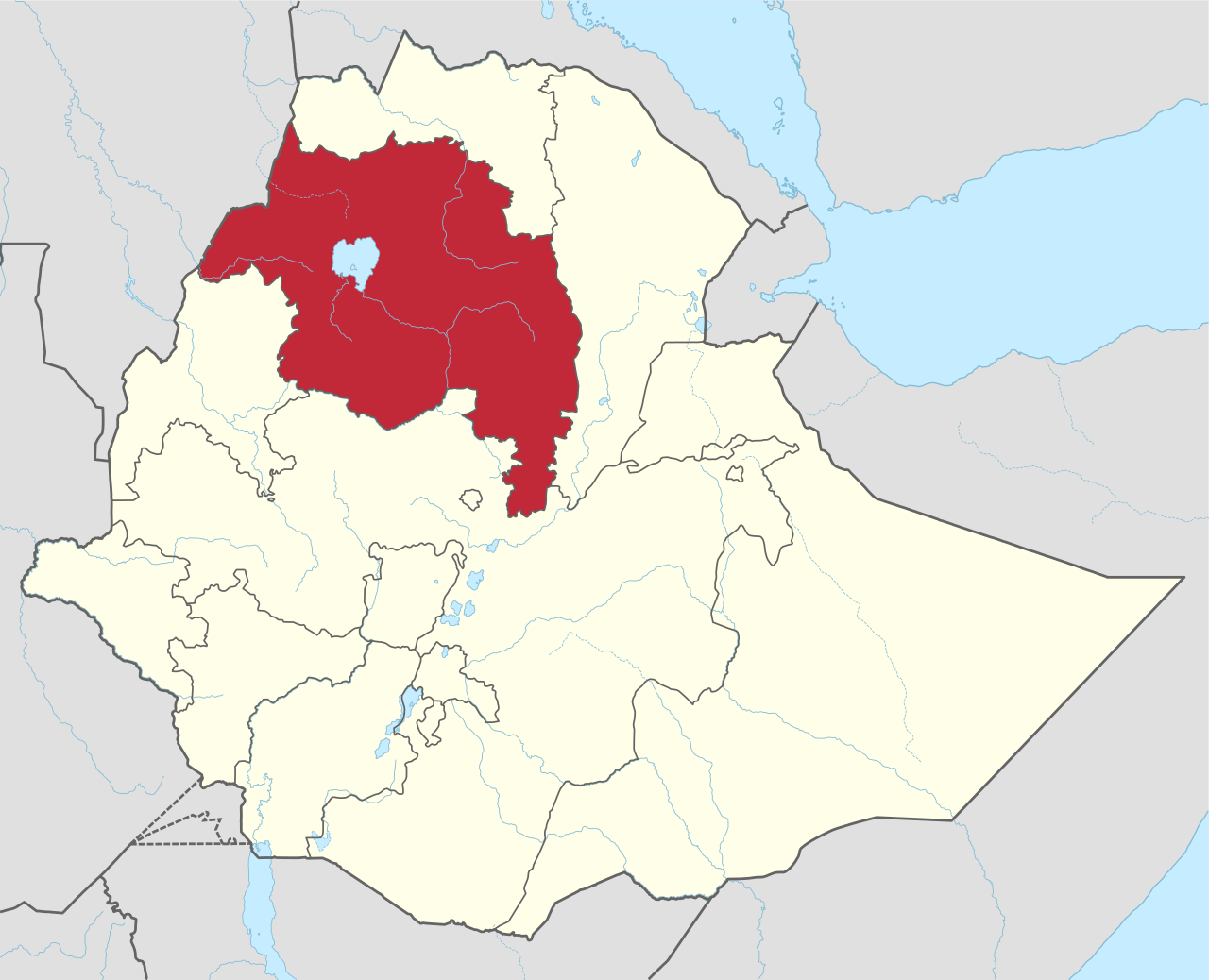
A source in Tigray who spoke to Deutsche Welle on condition of anonymity said the Ethiopian National Defense Force was advancing toward Mekelle while Tigrayan forces were defending towns including Mekoni and Maychew in southern Tigray. Pro-government outlets had reported that federal forces seized Alamata around September 27, and the United States-based conflict monitor ACLED also recorded the purported takeover. Alamata sits about 120 kilometres south of Mekelle on a major highway and changed hands several times during the 2020-2022 war. The International Committee of the Red Cross said it had evacuated only around 160 people from Tigray, including federal police personnel, Ethiopian Airlines staff, and African Union monitors.
Ethiopian lawyer Amdegebreal Admassu told Deutsche Welle he had received reports of fighters hitting public facilities such as hospitals, schools, and religious sites that also shelter residents, and he said such attacks can be treated as war crimes under international law and Ethiopia’s penal code. Mebrihi Birhane, vice director of Human Rights First Ethiopia, said civilian facilities must still provide essential services in wartime and that all armed forces involved have an obligation to protect that access. Residents and local journalists also reported sharply rising prices in Mekelle and other Tigrayan towns as supply routes were disrupted, leaving communities that had so far been spared direct fighting under growing economic strain.