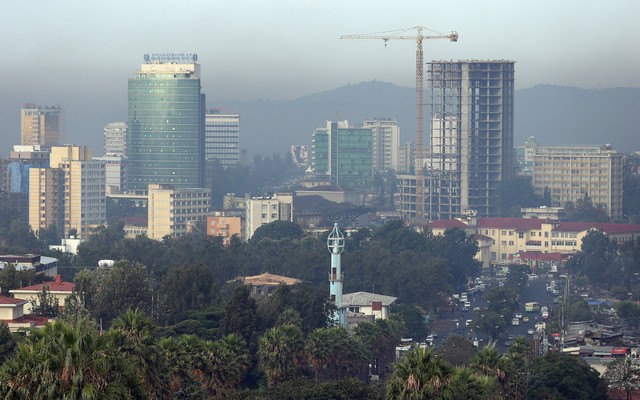
IFC Backs Ethiopia’s Reform Pitch as Abiy Ahmed’s Regime Sells Mega-Projects and Mass Housing
The International Finance Corporation says Ethiopia’s recent macro fixes are easing old barriers to private investment, even as Abiy Ahmed’s regime pairs that praise with a New Year sales push for mega-projects and 1.5 million homes. In remarks carried by the Ethiopian News Agency on September 17, IFC Managing Director Makhtar Diop credited progress on the foreign-exchange market, reserves, and inflation after meeting officials including Abiy Ahmed during a September 1 to 3 visit.
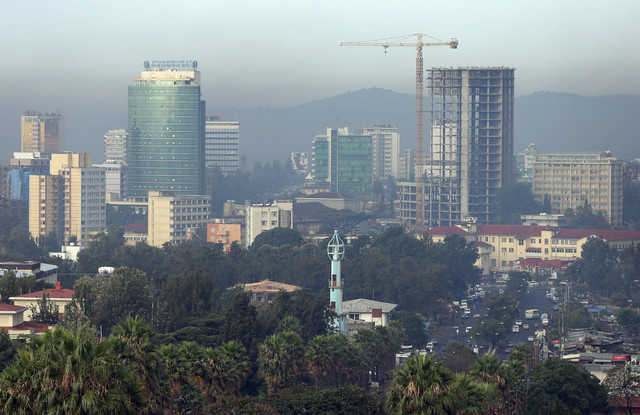
Diop told The Pulse of Africa that high inflation, foreign-exchange pressure, and thin reserves had long discouraged investors. He argued Ethiopia has moved toward a more flexible exchange rate, rebuilt reserves, and brought inflation into single digits at points, though he noted it still fluctuates. Those points matter for firms that need predictable access to hard currency and a clearer path to repatriate profits.
The same visit produced a framework agreement between the National Bank of Ethiopia and the IFC for Ethiopia’s first mortgage refinance company. ENA reports the vehicle is expected to be capitalised at 100 billion birr, with the IFC contributing at least 200 million US dollars, in support of a government ambition to deliver 1.5 million homes over five years. Diop added that housing scale-up will still need private developers and more construction skills capacity.
That housing line sits beside a broader project list Abiy Ahmed floated for Ethiopian calendar year 2019. TV BRICS, citing Ethiopian Broadcasting Corporation coverage of the New Year address, reported seven flagship initiatives over five to six years: a nuclear energy development facility, gas plants, an oil refinery, what officials call Africa’s largest airport, a fertiliser plant, and the 1.5 million homes program. Secondary wire summaries have sometimes rounded the package to eight projects; stick to the seven named in the TV BRICS account unless a primary list is published.
For Amhara readers, the contrast is structural rather than decorative. Addis Ababa is courting IFC capital and advertising nuclear plants, airports, and mass housing while the federal war in Amhara and identity-based violence against Amhara communities in parts of Oromia continue to swallow attention, budgets, and lives. Reform applause from multilateral lenders does not, by itself, rebuild destroyed farms in East Wollega or reopen aid pipelines for Amhara IDPs.
Figures in this piece are as stated by ENA quoting Diop and by TV BRICS summarizing the New Year project pitch. They are government- and lender-facing numbers, not independently audited delivery timelines.
Sources: Ethiopian News Agency (Sept 17, 2026); TV BRICS / Ethiopian Broadcasting Corporation summary (Sept 14, 2026).